
Honoring National Farmworker Awareness Week
This year, National Farmworker Awareness Week is March 25th- 31st. Coordinated by the nonprofit Student Action with Farmworkers, this week draws attention to the indispensable; often invisible contributions farmers make to the framework that is our food system. We spoke with our colleagues to further illuminate Farmworker Awareness Week, farms that go above and beyond, and what we can do as consumers to support fair living and working conditions for the growers we buy from.
What is National Farmworker Awareness Week?
“Our American food system is a global food system. With a supply chain so large and beyond our reach, there is little to no visibility to the human cost of getting food on the shelves at this scale. Farmworker Awareness week is about unearthing the stories and the people behind the food we eat – the beauty and the power, but also the harm and the exploitation. Farmworker Awareness week is also about recognizing our role as consumers in the food system. We have the ability to shape a better food system future by getting to know the farmers who grow our food and making conscious choices around what we buy and where we buy it.”
– Mackenzie Burke, Purchasing Manager, Co-op Partners Warehouse
Why are farmworkers still facing issues like living wages, environmental and chemical hazards, safe and affordable housing, and food access in the US?
“The American food system as we know it today was built upon the enslavement of generations African people. Capitalism is built upon exploitation of the working class, and today, farmworkers bear the brunt of that in order to keep food costs artificially low. Furthermore, when the Fair Labor Standards Act (FSLA) was passed in 1938 to establish a federal minimum wage, overtime, and child labor prohibitions, it excluded agricultural labor. To this day, many farm workers who harvest fruits and vegetables are paid by the amount of product they harvest, and therefore are exempt from minimum wage and overtime provisions in the FSLA.”
– Joleen Baker, Director, Co-op Partners Warehouse
Who are some growers going above the minimum to treat their farmworkers well?
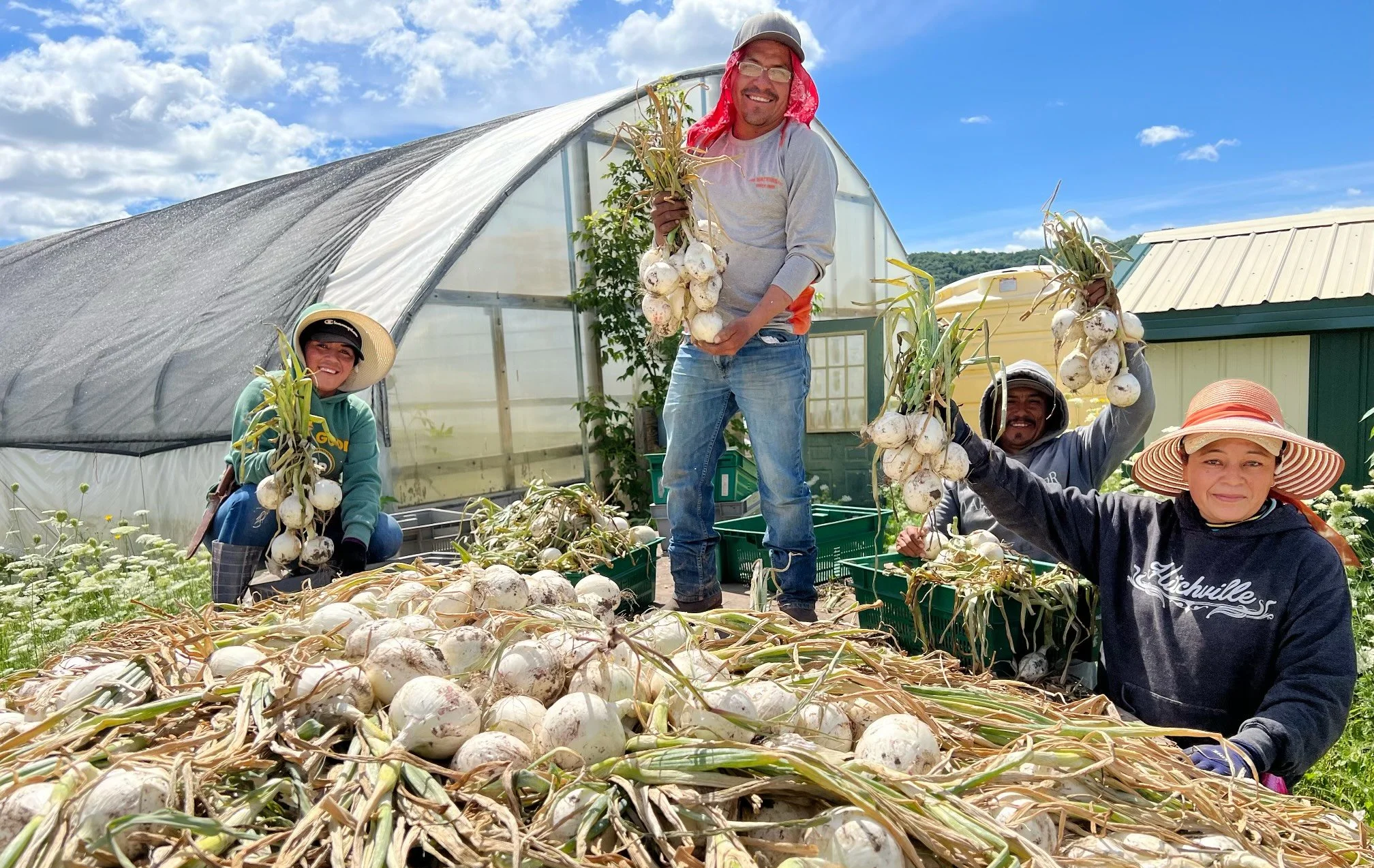
“Featherstone Farm, one of TCCP’s longstanding local partners, received formal certification from the Fair Food Program, a nationally recognized farmworker-based auditor of employment practices and policies. They are currently one of the only farms in the state of Minnesota with this certification! Featherstone is setting the example for organic farms in our region by not only supporting their own workers but also advocating for farm labor rights in the market at large.”
– Mackenzie Burke, Purchasing Manager, Co-op Partners Warehouse
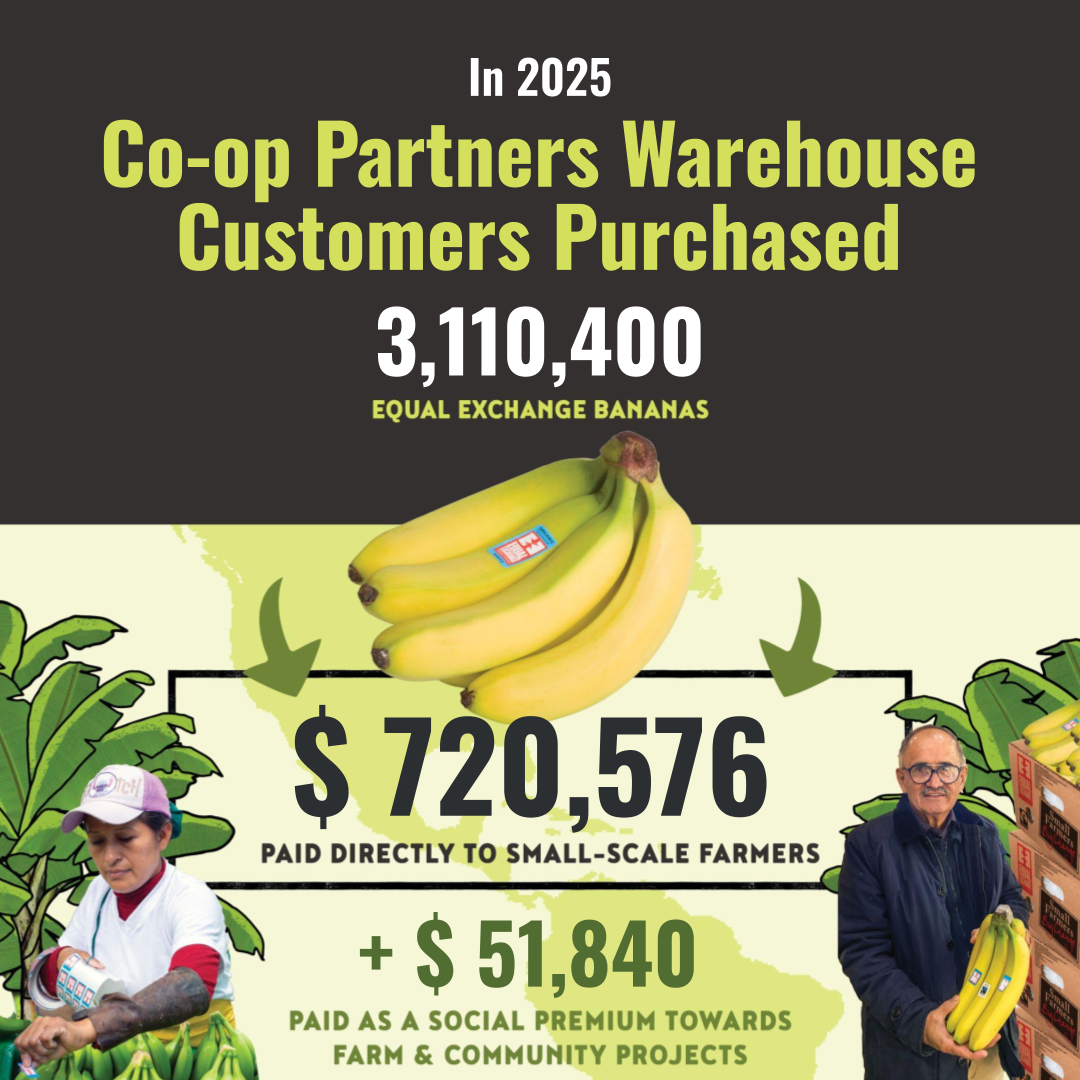
“Equal Exchange and Coliman both supply Co-op Partners Warehouse with certified Fair Trade organic bananas from South America & Mexico. To combat the banana industry’s infamous exploitative labor practices, the Fair Trade Premium that is part of the purchase cost of each case of bananas is invested back into the farmers’ communities in the form of healthcare, education, and infrastructure. Also, for the bananas to qualify for Fair Trade certification, the base wages paid by farmers must equal at least 70% of that country’s living wage.”
– Kara Parr, Produce Buyer, Co-op Partners Warehouse
Our habitual choices influence daily realities farmworkers face. Making small changes like seeking Fair Trade options for bananas, coffee or chocolate is a great way to vote with your dollars. You’ll not only support the co-op which keeps money in the local economy, you’ll bolster key partners in the supply chain who are living and regenerating cooperative values.